Northern
Saw-whet Owl
Banding & Research
Banding and Research Program
Row: column 1: Volunteer pitch and link - column 2: donation pitch and link
-Pictures and call for NSWO. A little profile on the bird. A little spotlight.
Program Overview:
Why study Northern Saw-whet Owls?
-Conservation, make this part of why study.
Fall 2024 Monitoring Overview (Make pop out, add 2025 update)
The Park Fire Impacts
-
References and PDFS:
Northern Saw-whet Owl Migration Monitoring Report 2024
Northern Saw-whet Owl Migration Monitoring Report 2023
Northern Saw-whet Owl Migration Monitoring Report 2020
Northern Saw-whet Owl Season Summary 2021 at the Big Chico Creek Ecological Reserve
View Northern Saw-whet Owl Research & Education Program
Zoom Recording.
Fall Migration and Other Natural History Observations of the Northern Saw-whet Owl in Northern Interior California, 2005-2015
-Download PDF
-:Useful Links
- include just external pages like birdbling, and descriptors of the sites
-AltaCal's Northern Saw-whet Owl Monitoring blog: Birdbling
-Cornell Lab of Ornithology, Birds on North America account for Northern Saw-whet Owl
-Project Owlnet, Northern Saw-whet Owl monitoring effort
Program Overview:
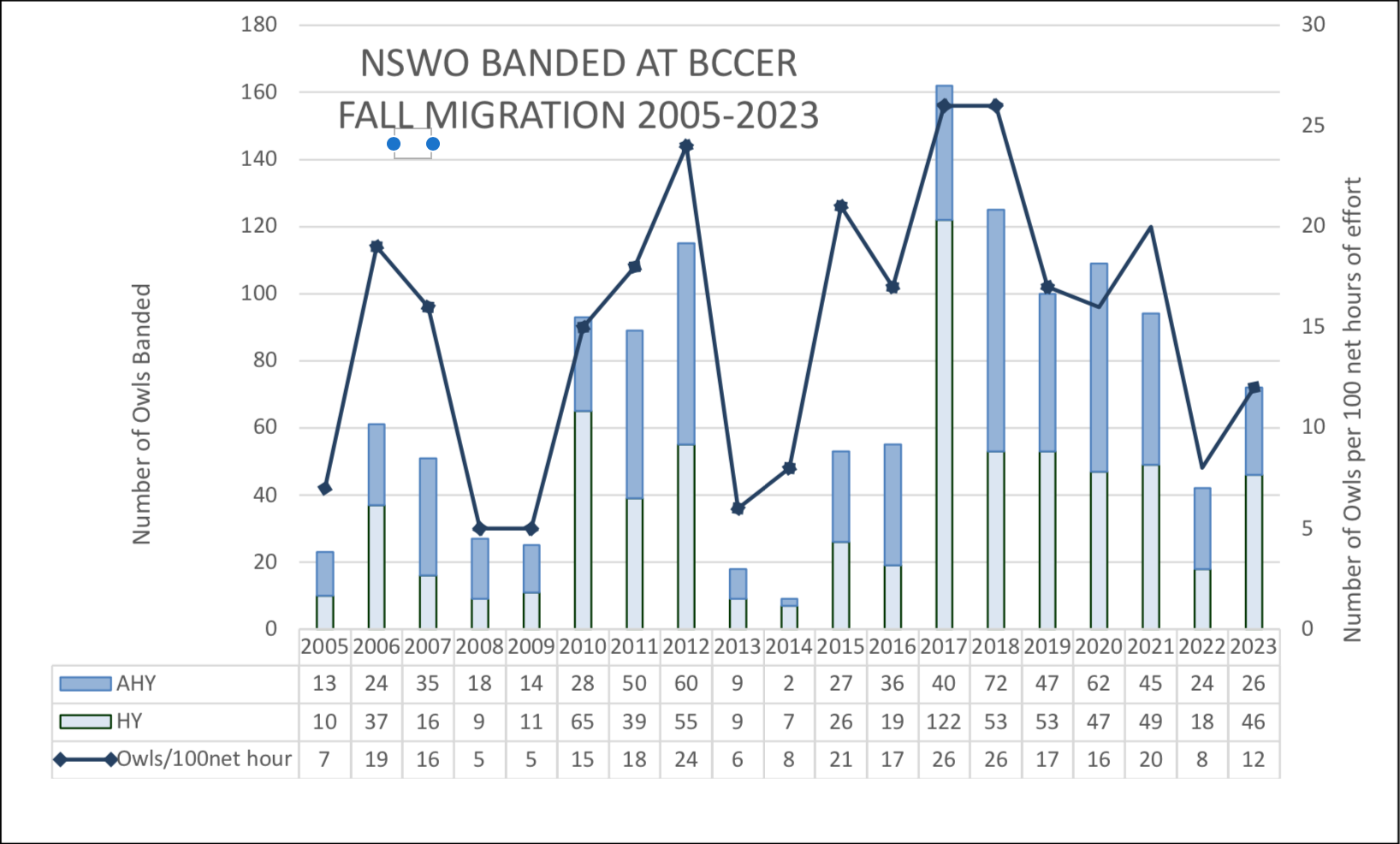
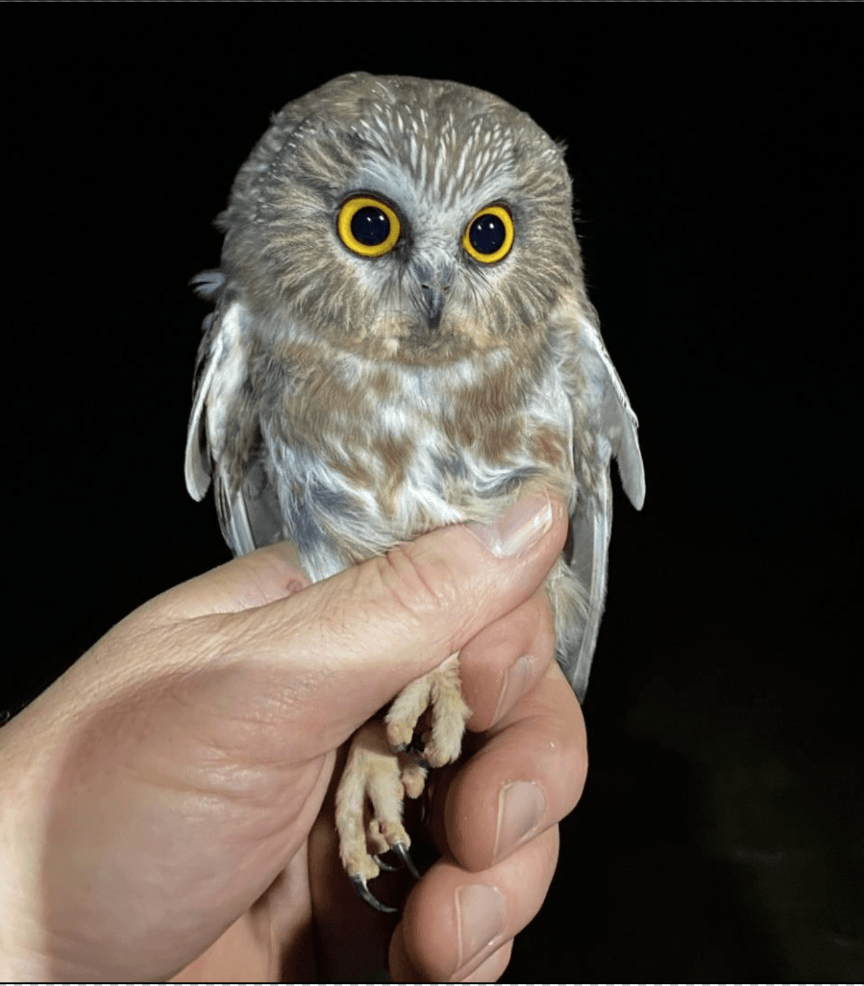
AltaCal Bird Alliance first started the Northern Saw-whet Owl (NSWO) banding and research program at CSU Chico’s Big Chico Creek Ecological Reserve (BCCER) in 2005, and we have banded owls each year since then. Ken Sobon directs the program with banding help from Wyatt Hersey.
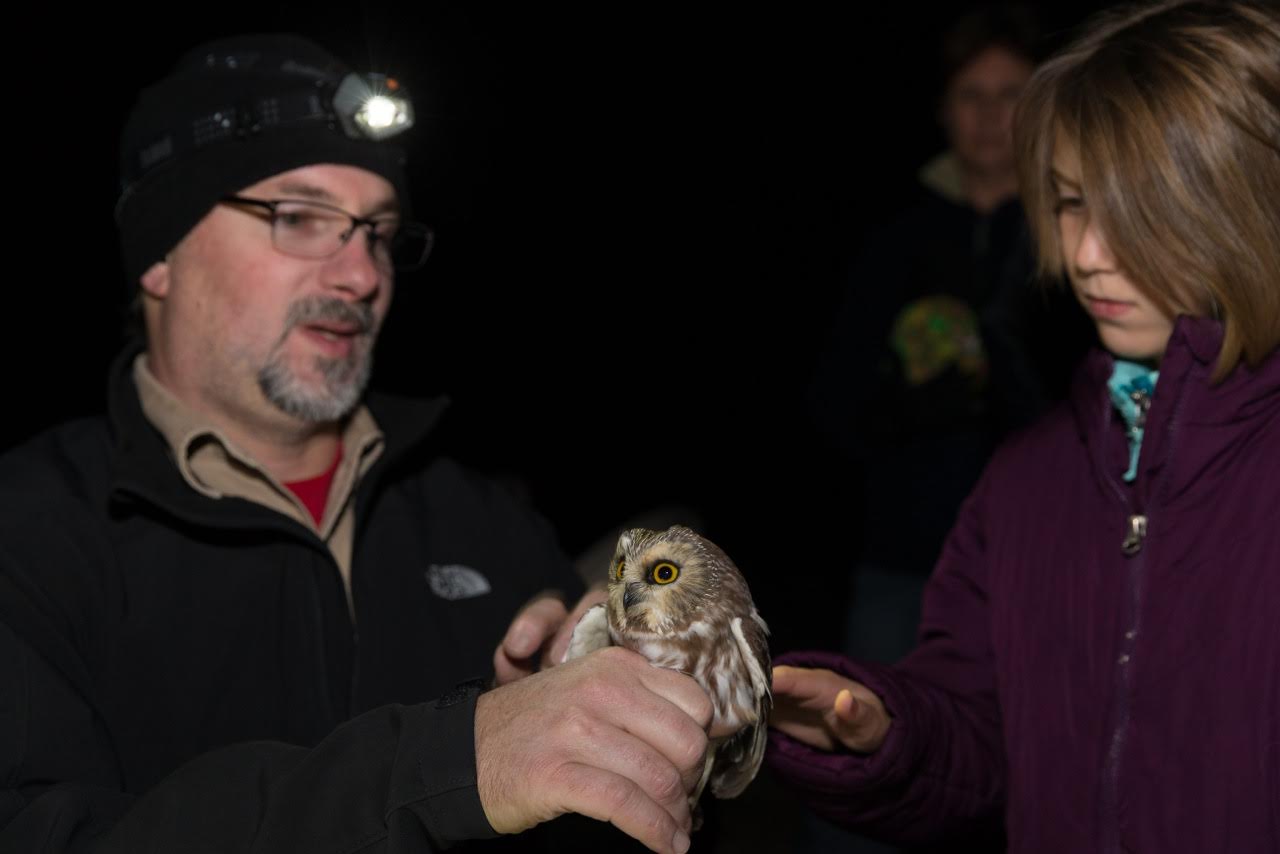
We allow two or three volunteers to go up to BCCER with the bander and learn how to set up the mist nets, safely extract owls from the nets, band the owls, measure the wing chord and weight, determine the age and sex, record all the data on the data forms, and release the owls.
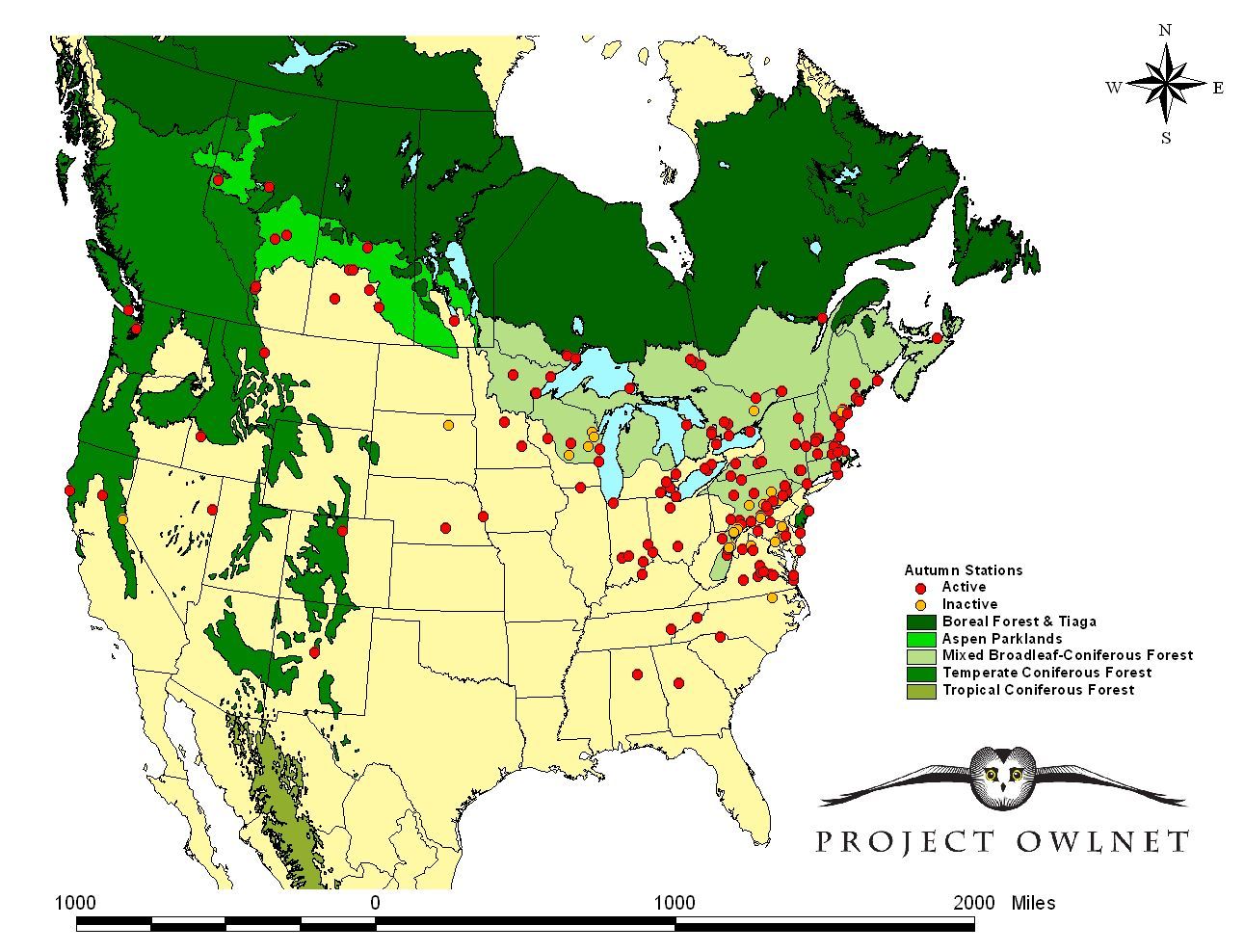
Bandings usually starts in October and run through mid-November. Our research is conducted in cooperation with Project OwlNet, which has participating banding stations throughout the United States and Canada, although we have one of the few stations in the western U.S. Two of our past volunteers have gone on to open their own banding stations: Julie Woodruff in Napa County, and Erika Iacona in Shasta County.
Our contributions to the continent-wide Project Owlnet are valuable in understanding the trends of this North American species.
Fall 2024 Monitoring Overview
The Park Fire Impacts
The Park Fire started on 7/24/24 and burned over 400,000 acres in Butte and Tehama Counties. Despite the devastation caused by the Fire, we were determined to continue our owl banding research at Big Chico Creek Ecological Reserve (BCCER). With 19 years of pre-fire data, this opportunity to document post-fire recovery was invaluable. Unfortunately, the fire destroyed most of the infrastructure, including the barn, ranch house, office, habitat, and OWL2 and OWL3 net array sites. Only the metal shop remains.
While the fire has drastically altered the habitat, we saw signs of life including basal sprouting of many deciduous trees and shrubs and some blooming herbaceous plants like poppies...
Why study Northern Saw-whet Owls?
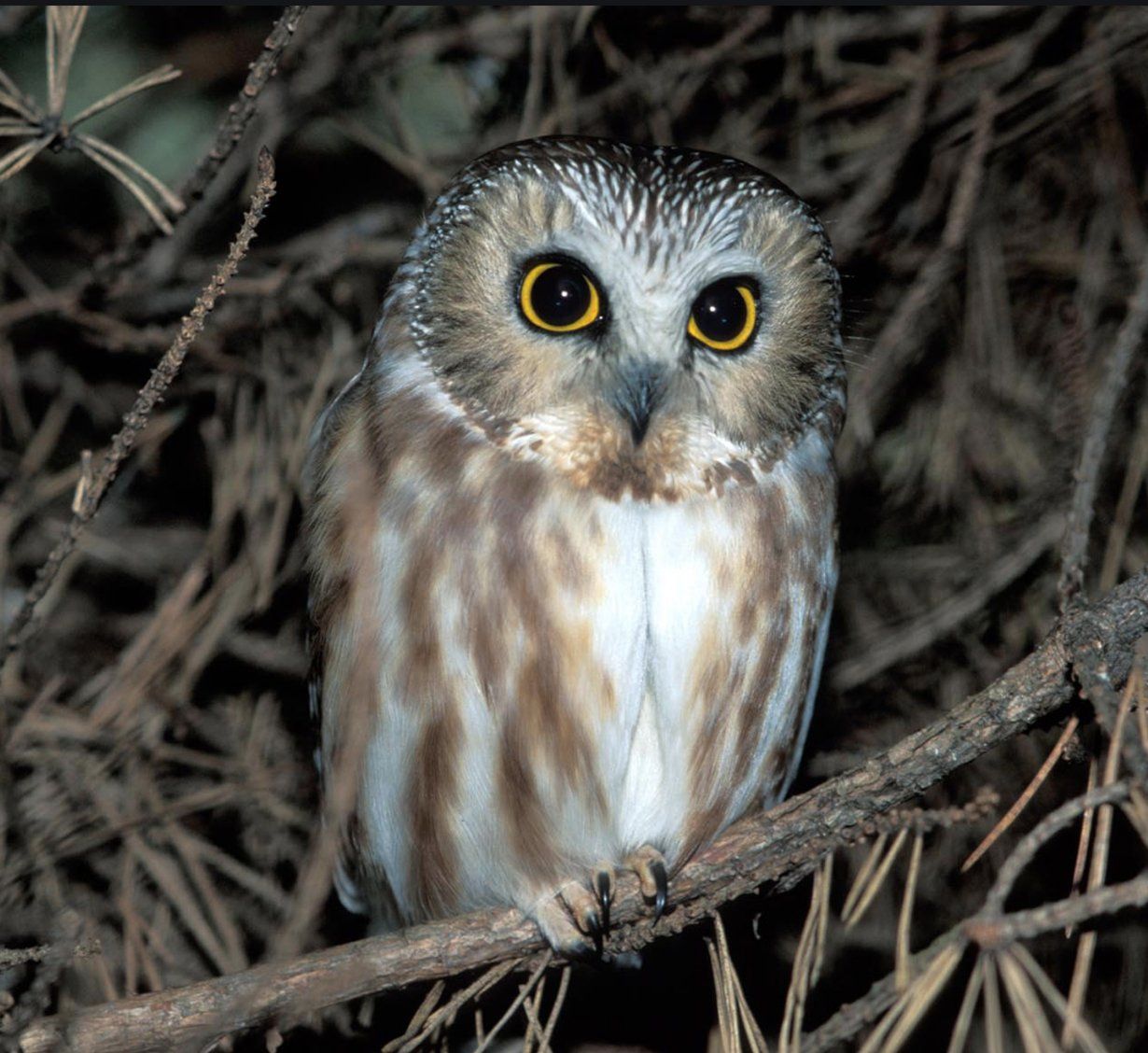
Initially these successful predators were thought to be uncommon; they just weren’t detected due to their nocturnal and cryptic behavior, small size, and nomadic lifestyle. But research now tells us saw-whets are one of the most common forest owls in North America. Thanks to long-term monitoring by Project Owlnet cooperators, we have learned about the owl’s migratory behavior all across Canada and the central and eastern U.S. AltaCal's monitoring stations have helped fill in crucial saw-whet data for the western U.S.
Conservation
Northern Saw-whet Owls are threatened by timber management practices and global climate change. These owls are cavity nesters and prefer older forests for nesting with a more open understory for foraging. Retention of snags, even small snags with cavities could be critical to the owls nesting success.
The National Audubon Society considers the Northern Saw-whet Owl a climate threatened species. Their climate change model predicts a 99% loss in wintering habitat by 2080, expecting the habitat to shift northward, with the owl potentially disappearing in the lower 48 states during winter.
Continued studies such as the long-term migration monitoring project conducted at the BCCER could be important to reveal local Saw-whet population trends as more extreme weather events (such as the Camp Fire) occur due to warming climates and changing logging practices. Our contribution to the continent-wide Project Owlnet will remain valuable in understanding the trends of this North American species. Maybe just as important is our outreach component to the project, and we have reached hundreds of community members. Many people will never see a Saw-whet because of their secretive nature. We believe that those who do meet the owls will certainly become more aware and become advocates for owls and their habitat. Since Covid-19, we have expanded our outreach network and are presenting virtually in the field, reaching hundreds more along the West Coast states!
:Useful Links
Title or Question
Describe the item or answer the question so that site visitors who are interested get more information. You can emphasize this text with bullets, italics or bold, and add links.Title or Question
Describe the item or answer the question so that site visitors who are interested get more information. You can emphasize this text with bullets, italics or bold, and add links.Title or Question
Describe the item or answer the question so that site visitors who are interested get more information. You can emphasize this text with bullets, italics or bold, and add links.

Description Title
Write a description for this tab and include information that will interest site visitors. For example if you are using tabs to show different services write about what makes this service unique. If you are using tabs to display restaurant items write about what makes a specific dish particularly worthwhile or delicious.
Description Title
Write a description for this tab and include information that will interest site visitors. For example if you are using tabs to show different services write about what makes this service unique. If you are using tabs to display restaurant items write about what makes a specific dish particularly worthwhile or delicious.
Description Title
Write a description for this tab and include information that will interest site visitors. For example if you are using tabs to show different services write about what makes this service unique. If you are using tabs to display restaurant items write about what makes a specific dish particularly worthwhile or delicious.
List of Services
-
List Item 1 Write a description for this list item and include information that will interest site visitors. For example, you may want to describe a team member's experience, what makes a product special, or a unique service that you offer.List Item 1
-
List Item 2 Write a description for this list item and include information that will interest site visitors. For example, you may want to describe a team member's experience, what makes a product special, or a unique service that you offer.List Item 2
-
List Item 3 Write a description for this list item and include information that will interest site visitors. For example, you may want to describe a team member's experience, what makes a product special, or a unique service that you offer.List Item 3
-
List Item 4 Write a description for this list item and include information that will interest site visitors. For example, you may want to describe a team member's experience, what makes a product special, or a unique service that you offer.List Item 4
GRAVEYARD
References:
Garcia, Dawn. 2017. Fall Migration and Other Natural History Observations of the Northern Saw-whet Owl in Northern Interior California, 2005-2015.
Rasmussen, J. L., S. G. Sealy, and R. J. Cannings. 2008. Northern Saw-whet Owl (Aegolius acadicus). In The Birds of North America, P. G. Rodewald, ed. Ithaca, NY: Cornell Lab of Ornithology. Retrieved from Birds of the World.
Shaw, Julie. 2014. Winter Ecology of Northern Saw-whet Owls (Aegolius acadicus) in the Sierra Nevada Foothills of California. Master’s thesis, California State University – Chico.